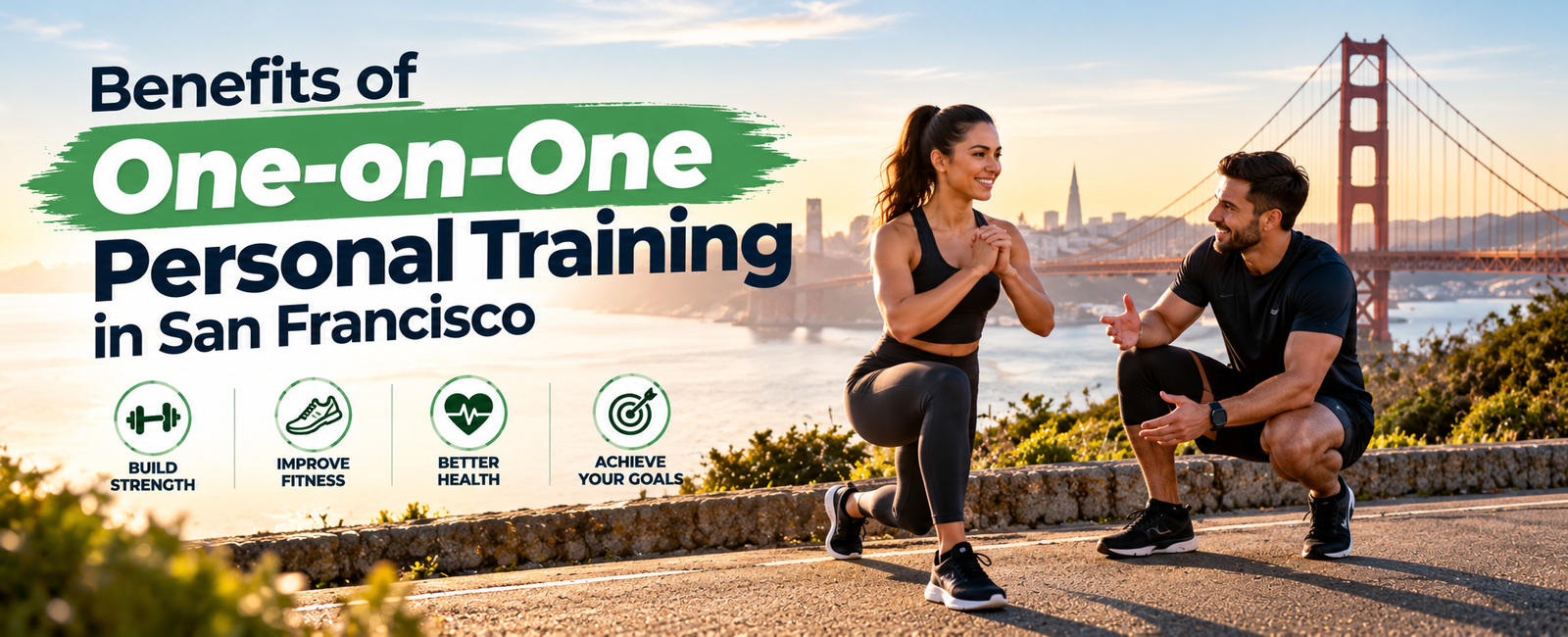
Reaching your fitness goals can be difficult when you are following a generic workout plan that was not designed around your body, schedule, experience, or priorities. This is where one-on-one personal training can make a meaningful difference. Unlike group workouts or general fitness programs, one-on-one coaching gives you individualized attention, a structured plan, and ongoing adjustments based on your progress.
Whether your goal is to become stronger, improve mobility, develop a consistent exercise routine, support weight management, or simply feel more confident while training, personalized coaching can make the process easier to understand and maintain. At Run Fit Well, coach Edvandro Oliveira works with clients in San Francisco to create practical training programs based on their current fitness level, lifestyle, schedule, and individual goals.
What Is One-on-One Personal Training?
One-on-one personal training means working directly with a trainer rather than following a general program designed for a large group. Your trainer can evaluate your current ability, understand your goals, select appropriate exercises, monitor your technique, and adjust your training as your fitness changes.
This individualized approach allows the program to evolve with you rather than forcing you to fit into a fixed routine. Your sessions may include strength training, mobility work, cardiovascular conditioning, balance exercises, core training, movement practice, and general fitness coaching depending on what you need. The American Council on Exercise’s overview of personal training evidence discusses research on the value of supervised exercise.
Personalized Training Based on Your Goals
One of the biggest benefits of personal training is that your program can be built around your specific goals. Two people may both want to improve their fitness, but they may need completely different training approaches. One client may want to become stronger and improve conditioning, while another may be returning to exercise after a long break.
Someone else may want support with mobility, balance, running performance, or maintaining an active lifestyle. A personalized plan can take these differences into account. Instead of selecting exercises simply because they are popular, your trainer can choose movements that match your goals, current ability, and available training time.
Accountability and Consistency
Knowing what to do is only one part of becoming fitter. The bigger challenge for many people is staying consistent. A trainer can provide structure and accountability by helping you maintain a regular schedule, track progress, and make adjustments when your routine changes.
This can be especially useful for people with demanding work schedules or those who find it difficult to stay motivated when training alone. Consistency does not mean every workout has to be perfect; it means building a routine you can continue over time.
Better Exercise Technique
Exercise technique matters because small adjustments can change how a movement feels and which muscles are doing most of the work. During one-on-one personal training sessions, your trainer can observe your movement and provide immediate feedback on exercise setup, range of motion, posture, tempo, resistance, and repetition count.
Good technique is not about making every movement look identical for every person. It is about choosing and performing exercises in a way that is appropriate for your body and current ability.
More Individual Attention and Privacy
Some people feel uncomfortable exercising in a busy gym or large group setting. Private personal training can create a more focused environment where you can ask questions, learn movements, and work at your own pace without feeling pressure to keep up with others.
This can be particularly helpful for beginners who are still learning exercise basics or people returning to training after a long break. Individual attention also gives your trainer more opportunities to notice when an exercise needs to be modified.
Training That Adapts to Your Fitness Level
A training program should change as you become stronger and more confident. Exercises that are challenging in your first few weeks may become easier over time, so a personal trainer can gradually progress your program by adjusting resistance, repetitions, sets, exercise difficulty, or training volume.
This process is often called progressive overload. Progress does not always mean lifting much heavier weight; it can also mean performing more controlled repetitions, improving balance, increasing range of motion, using better technique, completing an additional set, or progressing to a more challenging exercise variation.
Strength, Mobility, and Overall Fitness
Personal training does not have to focus on only one aspect of fitness. A balanced program can help improve several areas at the same time, including strength, mobility, cardiovascular fitness, balance, and stability. For reference, the CDC’s physical activity guidelines for adults recommend a mix of aerobic exercise and muscle-strengthening activities.
Strength
Strength training can help improve your ability to perform daily activities, participate in recreational activities, and tolerate other forms of exercise.
Mobility
Mobility work can help improve comfortable movement through useful ranges of motion and can be included alongside strength work rather than treated as a separate goal.
Cardiovascular Fitness
Walking, cycling, running, circuit training, or other forms of cardiovascular exercise can be included depending on your goals, preferences, and current fitness level.
Balance and Stability
Balance and stability exercises can be particularly useful for older adults or anyone looking to improve confidence during everyday movement. A well-rounded personal training program can combine these elements based on what matters most to you.
How Personal Training Can Support Weight Management
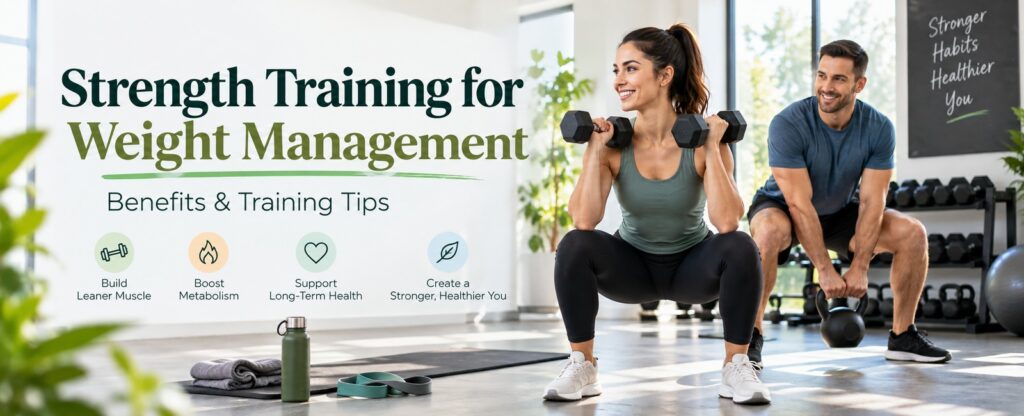
A personal trainer cannot replace nutrition guidance from an appropriately qualified nutrition professional, but exercise can still be an important part of a broader weight management strategy. Rather than relying on extreme workouts or trying to burn as many calories as possible in every session, personal training can help you build a more sustainable routine.
That may include regular strength training, cardiovascular activity, increased daily movement, improved exercise consistency, and gradual progression. Strength training can be particularly valuable because it helps support lean muscle and overall physical capacity. The focus should be on building sustainable habits rather than using exercise as a short-term punishment for eating.
Benefits for Busy Professionals
San Francisco professionals often have demanding schedules, long workdays, and limited time for exercise. A personalized program can make training more efficient by removing much of the guesswork around exercise selection, workout structure, and weekly planning.
Instead of spending time deciding which exercises to perform, how much weight to use, or how to structure your week, you can follow a program designed around your available time. Even two or three well-structured sessions per week can provide a consistent foundation when combined with regular daily movement.
In-Home Personal Training
For some clients, traveling to a gym creates another barrier to consistency. In-home personal training can make exercise more convenient by bringing the workout to a familiar environment.
Depending on your space and goals, effective sessions can be built around bodyweight exercises, resistance bands, dumbbells, kettlebells, or other portable equipment. You do not always need a full gym to build an effective fitness program, and for many people, convenience makes it easier to maintain a regular routine.
One-on-One Personal Training for Beginners
Starting a fitness program can feel overwhelming when you are unsure which exercises are appropriate or how much training you should do. Beginners often benefit from keeping things simple and learning the basics before progressing to more advanced movements.
A trainer can help you understand basic movement patterns, how to use resistance safely, how to structure a workout, when to increase difficulty, and how to balance training and recovery. This creates a stronger foundation before moving to more challenging exercises.
Personal Training for Older Adults
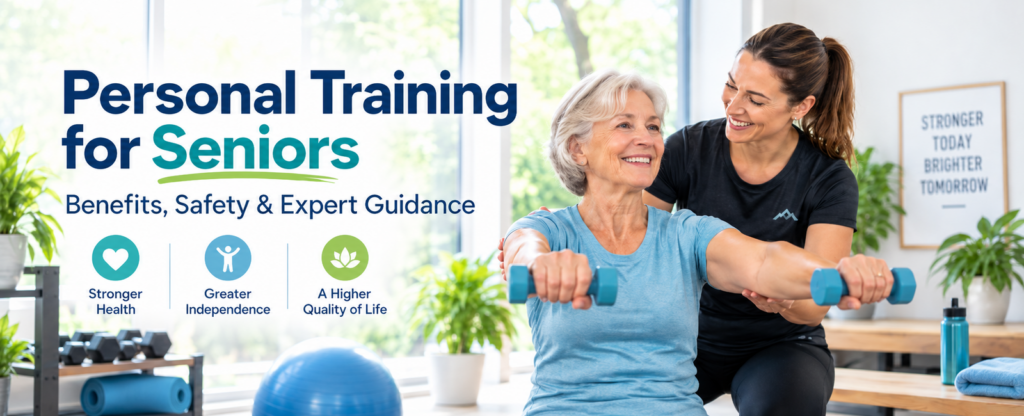
Older adults can also benefit from individualized training. Programs may focus on strength, balance, mobility, coordination, and confidence with everyday movement.
The exercises should always match the person’s current ability and comfort level. Individual coaching makes it easier to modify movements and progress gradually rather than expecting everyone to follow the same workout.
What to Look for in a Personal Trainer
Choosing the right trainer is about more than finding someone who can create difficult workouts. Look for someone who listens to your goals, explains why exercises are being used, adjusts training based on your progress, prioritizes technique, communicates clearly, builds a realistic program, and understands the importance of recovery.
A good personal trainer should help you understand your training rather than make you dependent on constant supervision.
One-on-One Personal Training With Run Fit Well
At Run Fit Well, personal training is designed around the individual rather than a one-size-fits-all workout. Coach Edvandro Oliveira works with clients to build practical programs based on their goals, training experience, schedule, and current fitness level.
Depending on your needs, your sessions may include strength training, cardiovascular conditioning, mobility work, balance exercises, and general fitness coaching. The objective is to create a routine that challenges you appropriately while remaining realistic enough to maintain consistently.
Final Thoughts
One-on-one personal training in San Francisco can provide more than a workout plan. It can give you structure, accountability, individualized exercise selection, technique guidance, and a clear progression strategy.
Whether you are a beginner, returning to exercise, looking to become stronger, or simply trying to build a more consistent fitness routine, personalized coaching can help remove unnecessary guesswork. The most effective program is not necessarily the hardest one; it is the one that fits your goals, schedule, and current ability well enough that you can continue making progress over time.
Frequently Asked Questions
What are the benefits of one-on-one personal training?
One-on-one personal training provides individualized attention, customized workouts, technique feedback, accountability, and a program that can be adjusted as your fitness improves.
Is personal training good for beginners?
Yes. Beginners can benefit from learning basic exercises, proper technique, workout structure, and how to progress gradually.
Can personal training help with weight management?
Personal training can support a broader weight-management routine by improving exercise consistency, strength, cardiovascular fitness, and overall activity levels.
Can I do personal training at home?
Yes. In-home personal training can be effective using bodyweight movements, resistance bands, dumbbells, kettlebells, and other portable equipment.
How often should I work with a personal trainer?
The ideal frequency depends on your goals, schedule, experience, and ability to train independently. Some clients train with a coach once or twice per week, while others may benefit from more frequent sessions.
Does Run Fit Well offer personal training in San Francisco?
Yes. Run Fit Well provides personalized fitness coaching, and Edvandro Oliveira works with clients to create training plans based on their individual goals and current fitness level.