Training outdoors can make exercise feel more enjoyable, practical, and connected to everyday life. Instead of being limited to machines and indoor spaces, outdoor workouts use parks, trails, hills, stairs, open spaces, and bodyweight movements to build strength, endurance, mobility, and overall fitness.
Working with an Outdoor Fitness Coach can make this type of training more structured and effective. Rather than simply meeting in a park and doing random exercises, a coach can create a personalized program based on your goals, current fitness level, experience, schedule, and the environment available around you.
At Run Fit Well, coach Edvandro Oliveira works with clients in and around San Francisco to create personalized fitness sessions that can include outdoor strength training, mobility, conditioning, and functional movement.
What Is an Outdoor Fitness Coach?
An Outdoor Fitness Coach is a personal trainer who uses outdoor environments as part of the training experience. Sessions may take place in parks, open fields, walking paths, hills, stairs, trails, waterfront areas, or quiet neighborhood spaces.
The training itself can include strength, conditioning, mobility, balance, core exercises, and cardiovascular work. The goal is not simply to move the gym outside. A good coach uses the environment intelligently and adapts the workout to the client.
Why Choose an Outdoor Fitness Coach?
Many people enjoy outdoor fitness because it feels less repetitive than traditional gym workouts. Training outdoors can provide more variety, more space, and a change of environment.
For some clients, this makes exercise easier to enjoy and maintain over time. An Outdoor Fitness Coach can help turn that environment into a structured training session rather than an unplanned workout.
Benefits of Outdoor Fitness Training
More Variety in Your Workouts
Outdoor training can include far more than walking or jogging. A session may combine bodyweight exercises, resistance bands, dumbbells or kettlebells, hill walking, running drills, step-ups, lunges, squats, core exercises, and mobility work.
This variety can make training feel more engaging while still following a clear plan.
Natural Space for Movement
Outdoor environments often provide more space than a crowded gym. This can make it easier to include walking drills, running, lateral movement, mobility work, and larger movement patterns.
An experienced Outdoor Fitness Coach can use the available space to create a more dynamic session.
Fresh Air and a Change of Environment
Some people simply prefer exercising outside. Being outdoors can make workouts feel less restrictive, especially for clients who do not enjoy busy gyms or indoor fitness spaces.
Changing the training environment can also help keep a routine from feeling repetitive.
Flexible Training Locations
Outdoor training does not always need to happen in the same place. Depending on the session, your coach may use a local park, walking path, hill, open area, or other suitable location.
This flexibility can make training more convenient for clients who live or work near outdoor spaces.
Outdoor Fitness Coach in San Francisco
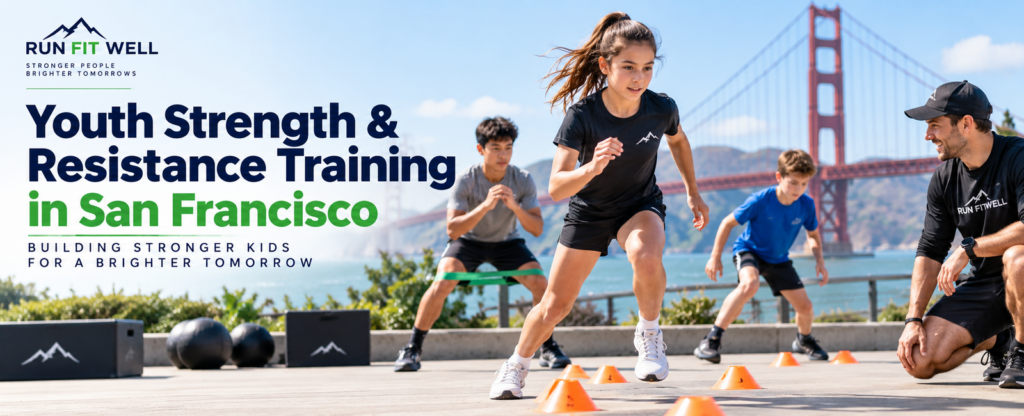
San Francisco offers a wide range of outdoor training opportunities. The city’s hills, parks, paths, stairs, and open spaces can all be used creatively during a workout.
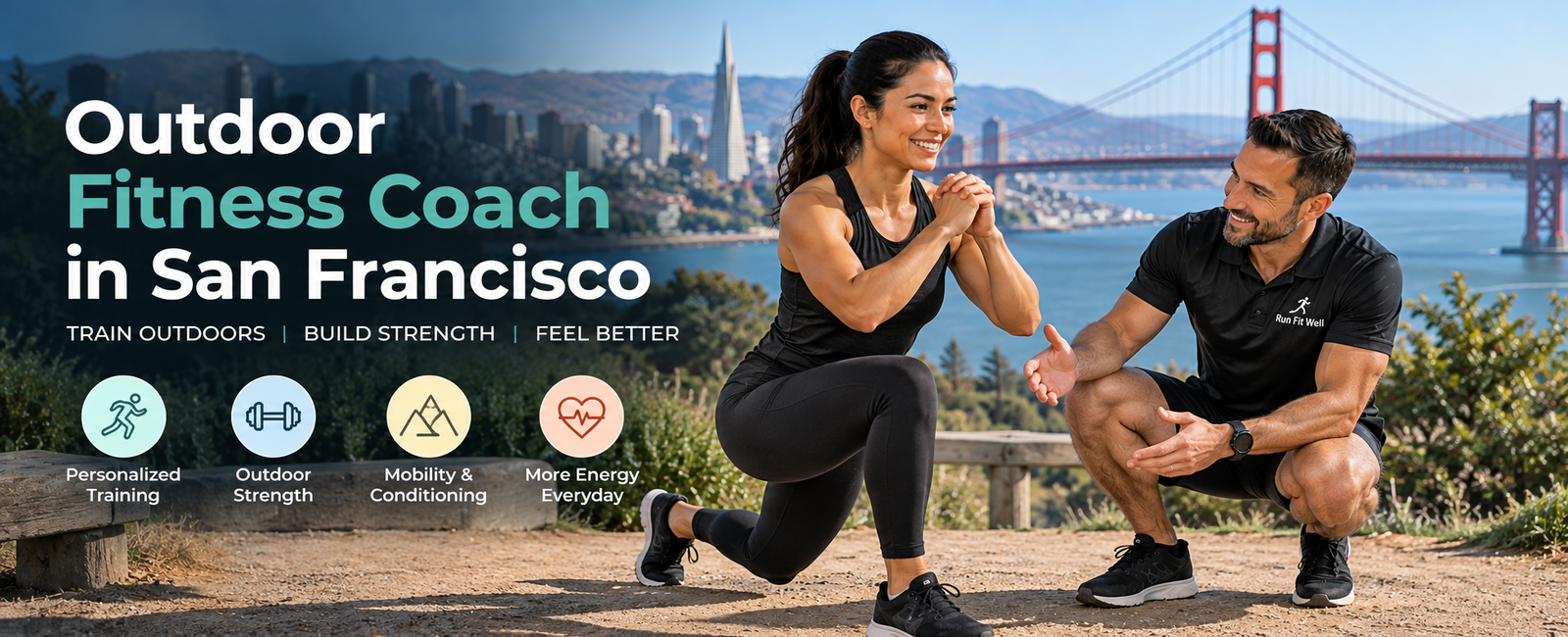
An Outdoor Fitness Coach in San Francisco can build sessions around the environment rather than relying only on traditional gym equipment. Depending on your goals, a session may include hill walking, interval training, strength exercises, mobility work, or functional movement.
The location should support the workout rather than distract from it.
Outdoor Strength Training
Strength training is an important part of many fitness programs, and it can work very well outdoors. Exercises may include squats, split squats, reverse lunges, step-ups, push-ups, rows, shoulder presses, glute bridges, calf raises, and core exercises.
Resistance bands, dumbbells, kettlebells, or other portable equipment can also be used. An Outdoor Fitness Coach can adjust the exercises based on your strength level and available equipment.
Outdoor Cardio and Conditioning
Outdoor environments are naturally suited to cardiovascular training. A coach may include brisk walking, jogging, running intervals, hill walking, hill repeats, step workouts, short circuits, or low-impact conditioning.
The intensity can be adjusted based on your fitness level. Not every outdoor session needs to be high intensity. For many clients, steady and controlled conditioning is more useful than pushing to exhaustion.
Mobility and Flexibility Outdoors
Outdoor fitness sessions can also include mobility and flexibility work. This may include exercises for the hips, ankles, shoulders, spine, hamstrings, and general movement quality.
Mobility work can be included in the warm-up, between exercises, or at the end of the session. This is especially useful for clients who spend long hours sitting or feel stiff during everyday movement.
Outdoor Fitness for Beginners
You do not need to be highly fit before working with an Outdoor Fitness Coach. Outdoor training can be adapted for complete beginners.
A beginner session may focus on walking, basic strength exercises, balance, mobility, light conditioning, and learning proper exercise technique. The goal is to start at a manageable level and gradually increase the challenge as your fitness improves.
A good coach should make the session feel structured without making it overwhelming.
Outdoor Fitness for Busy Professionals
Busy professionals often struggle to fit long gym visits into their schedules. Outdoor training can be a practical alternative because a session can be organized near home, work, or another convenient location, reducing the need for additional travel.
This can make a 45- or 60-minute session easier to fit into the day. For some clients, convenience is one of the biggest reasons to work with an Outdoor Fitness Coach.
Outdoor Fitness for Older Adults
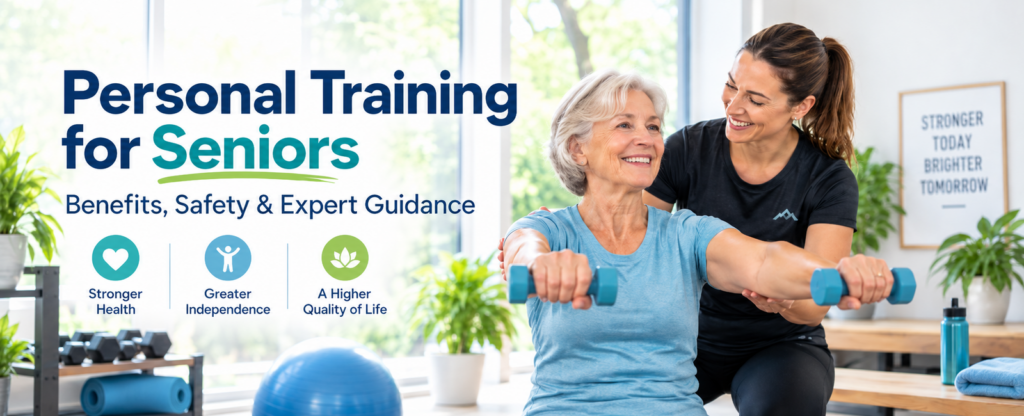
Outdoor training can also be adapted for older adults. Sessions may focus on strength, balance, mobility, coordination, walking, and functional movement.
The environment and exercises should always match the client’s current ability and comfort. A coach can select flatter locations, lower-impact exercises, and appropriate training intensity when needed.
Outdoor Fitness for Runners
Outdoor fitness training can complement running very well. Runners can benefit from exercises that improve lower-body strength, core control, hip stability, single-leg balance, calf strength, mobility, and general conditioning.
An Outdoor Fitness Coach can also combine running drills, hills, strength exercises, and mobility into one session. At Run Fit Well, outdoor fitness training can work alongside running coaching depending on the runner’s goals.
What Happens During an Outdoor Fitness Session?
A typical session may begin with a warm-up that includes walking, mobility, or light movement. The main workout may then include a combination of strength, conditioning, balance, or mobility exercises.
A session might include 5–10 minutes of walking and mobility, lower-body strength exercises, upper-body exercises, core work, short walking or running intervals, and a mobility-based cooldown.
The exact structure depends on your fitness level and goals, so there is no need for every session to look the same.
Do You Need Equipment?
Not always. Many outdoor workouts can be performed using bodyweight alone. However, simple portable equipment can add more variety.
This may include resistance bands, dumbbells, kettlebells, exercise mats, mini bands, or suspension trainers. An Outdoor Fitness Coach can decide what equipment is useful based on the session.
You do not need a large amount of equipment to have an effective workout.
Outdoor Fitness vs. Gym Training
Both outdoor training and gym training can be effective. A gym may be better if you want access to a large amount of equipment or prefer a controlled indoor environment.
Outdoor training may be a better fit if you prefer fresh air, want more training variety, dislike crowded gyms, enjoy walking or running outside, want flexible training locations, or prefer functional movement.
The best option is the one you are more likely to follow consistently.
Can Outdoor Fitness Help With Weight Management?
Outdoor fitness can support a broader weight-management plan by helping you stay active, build strength, and improve cardiovascular fitness. A program may combine strength training, walking, running, conditioning, and general movement.
However, exercise is only one part of weight management. Nutrition, sleep, stress, and daily habits also matter. A responsible coach should focus on sustainable habits rather than quick-fix promises.
How Often Should You Train Outdoors?
The ideal frequency depends on your goals and current fitness level. Some clients may train outdoors once or twice per week, while others may include outdoor sessions more frequently.
A balanced weekly plan might include one or two outdoor strength sessions, one or two walking or running sessions, mobility work, and recovery days. The exact schedule should be personalized rather than copied from a generic plan.
What Should You Look for in an Outdoor Fitness Coach?
A good coach should do more than choose random exercises. Look for someone who understands your goals, adjusts workouts to your fitness level, explains exercises clearly, uses the environment safely, progresses training gradually, includes recovery, communicates well, and adapts sessions when needed.
The training should still feel personalized even though it is happening outdoors.
Outdoor Fitness Coaching With Run Fit Well
At Run Fit Well, outdoor fitness training is designed around the individual. Coach Edvandro Oliveira works with clients to create practical sessions based on their current ability, goals, schedule, and preferred training environment.
Depending on your needs, outdoor sessions may include strength training, mobility, balance, conditioning, functional movement, walking, and running drills. The goal is to make fitness structured, realistic, and enjoyable enough to maintain consistently.
Final Thoughts
Working with an Outdoor Fitness Coach can be a great option if you want personalized training without being limited to a traditional gym. Outdoor sessions can combine strength, cardio, mobility, balance, and functional movement while making use of parks, trails, hills, and open spaces.
For some people, the biggest benefit is variety. For others, it is convenience, fresh air, or simply enjoying exercise more outside. The most effective fitness program is the one you can follow consistently.
If outdoor training helps you stay active, build strength, improve fitness, and enjoy the process, working with an Outdoor Fitness Coach in San Francisco can be a practical way to create a more sustainable routine.
Frequently Asked Questions
What does an Outdoor Fitness Coach do?
An Outdoor Fitness Coach creates personalized workouts using parks, paths, hills, open spaces, and portable equipment to improve strength, mobility, endurance, balance, and overall fitness.
Is outdoor fitness good for beginners?
Yes. Outdoor training can be adapted for beginners with walking, basic strength exercises, mobility, balance, and low-intensity conditioning.
Do I need equipment for outdoor fitness training?
No. Many workouts can be completed using bodyweight alone, although resistance bands, dumbbells, kettlebells, or mats may add more variety.
Is outdoor fitness as effective as gym training?
It can be. The effectiveness of training depends more on consistency, program quality, progression, and effort than on whether the workout happens indoors or outdoors.
Can seniors work with an Outdoor Fitness Coach?
Yes. Outdoor fitness sessions can be adapted for older adults and may focus on strength, balance, mobility, walking, and everyday movement.
Can outdoor fitness help runners?
Yes. Outdoor training can complement running by improving lower-body strength, stability, mobility, core control, and conditioning.
Does Run Fit Well offer outdoor fitness coaching?
Yes. Run Fit Well provides personalized fitness coaching, and Edvandro Oliveira can structure outdoor sessions around your goals, current fitness level, schedule, and training needs.