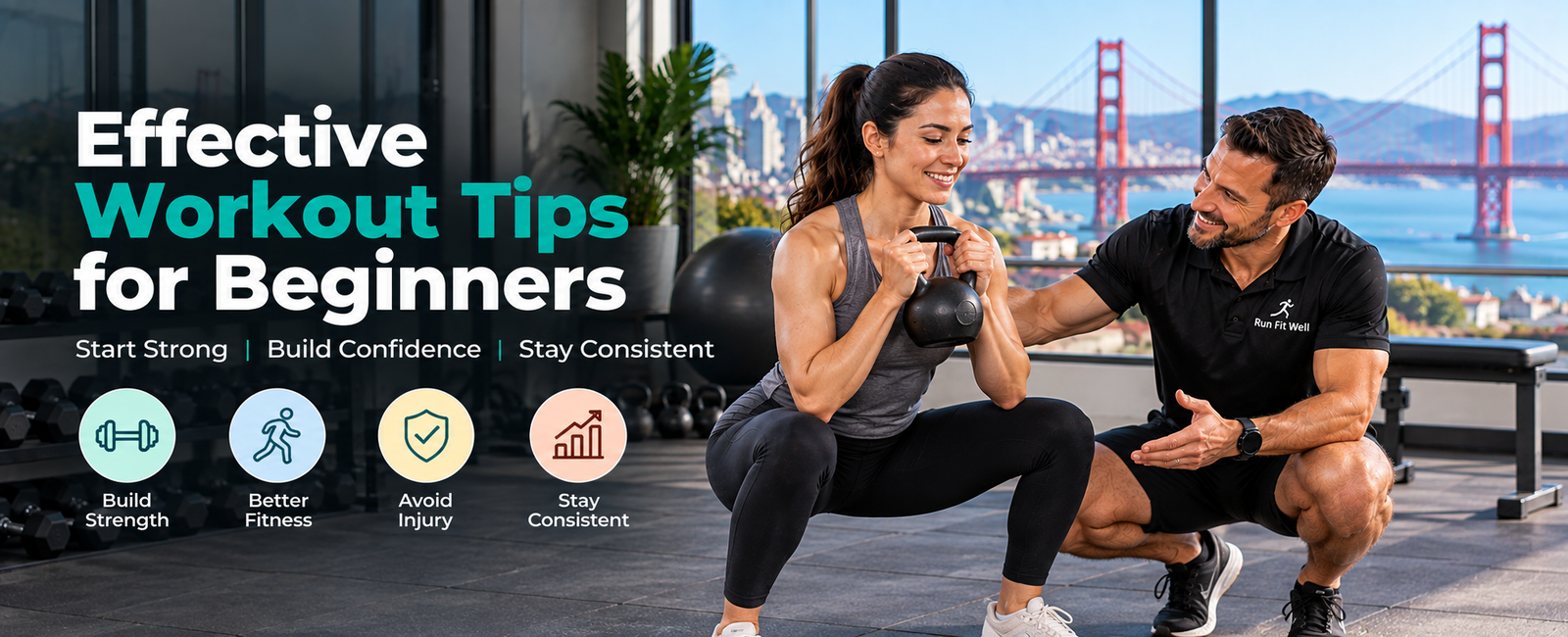
Workout tips for beginners can make starting your fitness journey feel less overwhelming. You do not need fancy equipment, extreme workouts, or endless hours in the gym to make progress. What you need is a smart approach, consistent effort, and a clear understanding of the basics.
These workout tips for beginners can help you build strength, improve fitness, avoid common mistakes, and create a routine that is easier to maintain over time.
Understanding the Basics Before You Begin
Set Realistic Fitness Goals
Your first workout goal should not be running a marathon or lifting twice your body weight. Instead, focus on achievable targets such as working out three times per week, improving your walking routine, or completing a short strength session consistently.
Among the most practical workout tips for beginners is setting smaller, realistic goals that help you stay motivated and build momentum without making the process feel overwhelming.
Know Your Current Abilities and Limitations
Every person starts from a different point. Some people may find strength exercises easier, while others may naturally prefer cardiovascular activities. Pay attention to your current abilities, previous experience, mobility, and any physical limitations.
This awareness can help you choose workouts that match your needs instead of forcing yourself into a routine that may not be appropriate for your current fitness level.
Prioritize Consistency Over Intensity
One of the most important workout tips for beginners is to prioritize consistency. It can be tempting to go all out during your first few workouts, but consistency is more important than intensity when you are starting out. Training extremely hard for one week and then stopping is less useful than following moderate workouts you can maintain over time.
Effective Workout Tips for Beginners
Start Small and Progress Gradually
Do not rush the process. These workout tips for beginners start with manageable activities such as walking, cycling, or 15–20 minutes of bodyweight training. Slowly increase the intensity, duration, or resistance as your fitness improves. The CDC’s guide to getting started with physical activity also recommends starting slowly and building up over time.
Gradual progression gives your body time to adapt and makes your routine easier to maintain.
Focus on Form, Not Heavy Weights
For safe and effective workout tips for beginners, proper exercise technique should come before increasing weight. Learning correct movement patterns can help you perform exercises more effectively and confidently.
Focus on posture, control, range of motion, and breathing before increasing resistance. Once your technique feels comfortable, you can gradually make exercises more challenging.
Use Compound Movements
Compound exercises such as squats, push-ups, deadlift variations, and rows work several muscle groups at the same time. For beginners, these movements can provide an efficient way to develop strength, coordination, and overall fitness.
You do not need dozens of exercises in every workout. A few well-chosen movements can create a strong foundation.
Track Your Progress
Progress can feel slow when you are just starting, so keeping a simple record can help. These workout tips for beginners include tracking sets, repetitions, weights, workout duration, or even how the session felt.
Over time, these notes can help you see improvements in strength, stamina, confidence, and consistency.
Rest Days Are Part of the Plan
Recovery is an essential part of workout tips for beginners: rest allows your body to recover between workouts. Beginners should avoid treating every day as a hard training day.
Including regular recovery days can help you manage fatigue and stay more consistent over the long term.
Preparing for Your First Workouts
Start With a Proper Warm-Up
Before your workout, spend around 5–10 minutes gradually preparing your body for exercise. This may include light walking, easy cycling, dynamic movements, or mobility exercises.
The goal is to increase movement gradually before beginning more challenging exercises.
Cool Down After Your Workout
After your main workout, reduce the intensity gradually and give yourself a few minutes to return to a comfortable resting level. Gentle movement and mobility work can be included as part of the cool-down.
Choose Comfortable Workout Gear
Comfort matters more than appearance. Choose clothing that allows you to move freely and shoes that are appropriate for the type of exercise you are doing.
Running, walking, strength training, and other activities may have different footwear needs, so prioritize comfort and support.
Building a Balanced Beginner Workout Plan
Combine Cardio and Strength Training
A balanced beginner program can include both cardiovascular exercise and strength training. Cardio can help build endurance, while strength training supports muscle strength and general movement.
When applying workout tips for beginners, one option is to start with two cardio sessions and two strength sessions each week, then adjust the schedule based on goals, recovery, and available time. The CDC’s adult activity guidelines offer a broader reference for combining aerobic activity with muscle-strengthening exercise.
Use Bodyweight Exercises
Bodyweight exercises such as squats, push-ups, lunges, glute bridges, and planks can help beginners develop basic strength and movement control without requiring much equipment.
As you become stronger, these movements can be progressed with resistance bands, dumbbells, or other equipment.
Include Mobility and Flexibility Work
Workout tips for beginners should also cover mobility. Mobility helps your joints move comfortably through useful ranges of motion, while flexibility work can help reduce feelings of stiffness.
Simple mobility exercises, stretching, yoga, or Pilates-style movements can complement your strength and cardiovascular workouts.
Nutrition and Hydration Tips for Better Workouts
Include Protein in Your Diet
Protein supports muscle repair and recovery after training. Beginners do not need to make nutrition unnecessarily complicated. Including a protein source with regular meals can help support an active lifestyle.
Common options include eggs, dairy products, chicken, fish, tofu, beans, lentils, and other protein-rich foods.
Stay Hydrated
Staying hydrated is important for general health and exercise performance. Rather than waiting until your workout to drink water, aim to stay hydrated throughout the day.
- Before workouts: Drink water beforehand so you are not beginning the session dehydrated.
- During workouts: Drink as needed, especially during longer sessions or warm conditions.
- After workouts: Replace fluids after exercising and continue normal hydration throughout the day.
Choose Practical Pre- and Post-Workout Foods
Food provides the energy needed for training and recovery. If you prefer eating before exercise, choose something that is comfortable and easy to digest.
- Before training: A banana, yogurt, oats, or another light snack may work well.
- After training: Include a balanced meal containing protein, carbohydrates, and other nutrient-rich foods.
- Daily nutrition: Build most of your diet around balanced meals and foods that support your overall health.
Common Beginner Workout Mistakes
Doing Too Much Too Soon
Beginners often feel highly motivated and try to exercise hard every day. However, rapidly increasing exercise can make recovery difficult and may make the routine harder to maintain. That is why workout tips for beginners emphasize gradual progression.
Starting with three or four manageable workouts per week can be more sustainable than immediately training every day.
Ignoring Pain Signals
Workout tips for beginners should also explain the difference between normal muscle fatigue and persistent pain. If you experience sharp, unusual, or lingering pain, reduce the activity and seek appropriate professional guidance when needed.
Do not assume that every uncomfortable sensation should simply be pushed through.
Skipping Warm-Ups and Cool-Downs
Warm-ups and cool-downs only take a few minutes and can help create a smoother transition into and out of exercise. Include them as part of the workout rather than treating them as optional extras.
How to Stay Motivated and Consistent
Make Workouts Fit Your Schedule
Work deadlines, family responsibilities, and unexpected commitments can make exercise difficult to manage. Instead of waiting for the perfect schedule, make your workouts fit the time you realistically have available.
- Schedule workouts in your calendar.
- Use shorter workouts when your day is busy.
- Remember that some movement is usually better than skipping activity completely.
Small, consistent actions can be easier to maintain than occasional extreme efforts. When following workout tips for beginners, choosing a realistic schedule can be more useful than pursuing a perfect one.
Use Accountability
Staying consistent on your own can sometimes be difficult. Accountability can come from a friend, workout partner, fitness tracker, or coach.
- Friends can make exercise more social.
- Apps and trackers can help monitor consistency.
- A coach can provide structure, exercise guidance, and accountability.
Celebrate Small Wins
Fitness progress is built through small improvements over time. Completing your planned workouts, improving your exercise technique, increasing your walking time, or performing your first controlled push-up are all meaningful forms of progress.
Recognizing these smaller achievements can help keep the process motivating.
When Should a Beginner Work With a Coach?
Hiring a coach is not only for athletes. Personal training can be useful for beginners who want more structure and do not want to guess which exercises or workouts to follow. A coach can help translate general workout tips for beginners into an individualized plan.
How Run Fit Well Can Help Beginners
At Run Fit Well, coach Edvandro Oliveira can help beginners build a fitness routine based on their current level, goals, schedule, and movement needs.
Personalized coaching may include:
- Learning proper exercise technique.
- Building a personalized workout plan.
- Progressing exercises gradually.
- Creating a realistic weekly schedule.
- Providing accountability and ongoing support.
How to Choose the Right Personal Trainer
Not every trainer has the same coaching style. The right fit can make a major difference in your experience.
- Look for relevant experience: Choose someone who understands your goals and training needs.
- Choose someone who listens: Your goals, limitations, and preferences should influence the program.
- Consider communication style: Choose a coach whose approach helps you stay comfortable and motivated.
A good trainer should not simply push you harder. They should help you build a sustainable fitness routine that works with your life.
Conclusion
Starting a fitness routine does not need to be overwhelming. The best workout tips for beginners focus on consistency, manageable workouts, balanced training, proper technique, recovery, nutrition, and realistic goals.
The most useful workout tips for beginners are often the simplest: start gradually, learn the basics, stay consistent, track your progress, and avoid trying to change everything at once.
With the right plan and support, you can gradually build strength, improve fitness, and create an active routine that becomes easier to maintain over time.
Frequently Asked Questions
What is a good workout routine for a beginner?
A beginner routine can combine strength training, cardio, mobility, and recovery. Start with a few manageable sessions each week using exercises such as squats, push-ups, rows, walking, cycling, and basic core work.
Are three exercises enough for a beginner workout?
Yes. A simple session built around several compound movements can be effective, especially when you are new to training. Quality and consistency are more important than doing a large number of exercises.
How many days per week should a beginner exercise?
Many beginners can start with approximately three or four exercise sessions per week, depending on the type and intensity of training. Recovery days should also be included.
Should beginners do cardio and strength training?
A balanced routine can include both. Cardiovascular exercise supports endurance, while strength training develops strength and movement capacity.
Should beginners work out on an empty stomach?
This depends on personal preference and how you feel during exercise. Some people feel comfortable training without eating first, while others perform better after a light meal or snack.
Does Run Fit Well provide personal training for beginners?
Yes. Run Fit Well provides personalized fitness coaching, and Edvandro Oliveira can help create a beginner-friendly training program based on your goals, fitness level, schedule, and experience.